- info@pacekenya.org
- +254 708 003 481


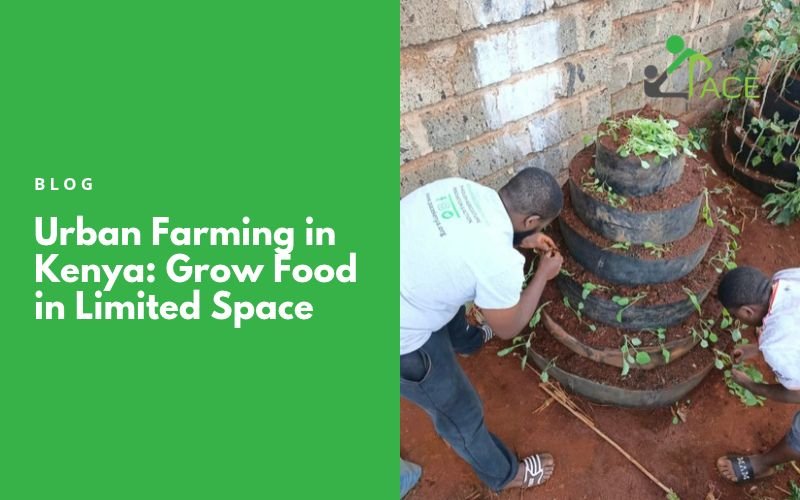
1. The Urban Food Challenge: Why Urban Farming in Kenya Matters Now
Urban residents in Kenya face growing challenges as food prices rise sharply. Food purchases form 83.7% of household food consumption, making families vulnerable to inflation—cabbage prices have increased by 29.1%, and Irish potatoes by 34.9% according to the HapaKenya Economic Report 2026. For many, producing some of their own food is a practical way to reduce expenses and improve nutrition.
Moreover, public health concerns highlight the risks from pesticides: over a third of active pesticide ingredients used on Kenyan fresh produce are banned in Europe due to chronic toxicity (The Guardian 2022). This makes home-grown organic food safer and healthier. PACE’s Urban Farming program is designed to help urban households grow nutritious food organically, even without traditional land.
2. No Land? No Problem: 4 Proven Small-Space Farming Systems
Growing food without land is possible with smart, space-saving methods. Here are four systems PACE teaches that anyone can start:
Vertical Multi-Storey Gardens: Build wooden or UV-resistant plastic tiered frames that use vertical space efficiently. Water with drip irrigation to conserve water and grow leafy greens like sukuma wiki and spinach in small footprints.
Sack Gardening (Kilimo cha Gunia): Use burlap or synthetic sacks filled with organic soil and a central gravel column for drainage. Plant through holes on the sides. This method has supported over 44,000 Nairobi households according to Solidarités International.
Container & Upcycled Plastic Gardening: Repurpose paint buckets, grow bags, and plastic bottles for balcony crops, promoting waste reduction alongside food production.
Hydroponics & Soil-Less Growing: Utilize pumice or volcanic gravel media to grow crops using 90% less water than traditional farming, ideal for water-scarce urban environments (UNFCCC 2024).
PACE’s own demonstration farm in Thika tests these methods, showing they work well even in dense urban areas.
3. Waste-to-Food: Turning Kitchen Scraps into Rich Organic Soil
A core pillar of sustainable urban farming is converting household waste into valuable compost:
Composting Steps: Balance nitrogen-rich green waste (fruit peels, vegetable scraps) with carbon-rich brown waste (cardboard, dry leaves) to build healthy soil.
Soil Boosters & Pest Control: Use organic plant teas and fermented Bokashi manure created from food waste, which enrich soil and reduce pest issues without chemicals.
This circular system cuts costs, reduces waste disposal problems, and improves garden productivity, demonstrated by PACE’s members.
4. Best Crops for Small Urban Spaces in Kenya
Urban farmers should choose crops suited for quick, high-yield production in containers or vertical systems. Recommended crops include:
Leafy Greens: Kale (sukuma wiki), spinach, African nightshade (managu), and spider plant (terere) grow rapidly and supply essential nutrients.
Herbs & Vegetables: Coriander (dania), capsicum, chillies, and tomatoes are popular choices that supplement meals.
Fruits: Strawberries thrive in vertical containers, adding variety and value.
These crops suit Kenya’s urban climates and are affordable and accessible.
5. Starter Budget: What Does It Cost to Grow Food Without Land?
Urban farming can be affordable:
Sack Gardens: Starting costs range from KES 300 to 500 for materials like sacks, soil, and seeds.
Multi-Storey Vertical Gardens: Depending on tiers and irrigation, prices range from KES 1,500 to 15,000, with durable structures lasting multiple seasons.
The initial investment is often recouped quickly through savings on grocery bills, especially as food prices climb.
6. How to Start Your Own Urban Garden with PACE
Starting is easier with guidance:
- Join PACE: Become a member to access training and community support.
- Use Demonstration Resources: Check PACE’s YouTube channel for step-by-step videos on vertical garden building, composting, and planting.
- Source Local Materials: Use affordable, locally available containers, sacks, and organic waste.
- Maintain Consistency: Water regularly, monitor plant health with natural teas, and harvest frequently.
By following these steps, anyone can grow fresh food in tight spaces.
7. Urban Farming's Positive Outcomes for Communities
Beyond personal benefits, urban farming builds stronger communities:
- It improves food security, reducing reliance on expensive markets.
- Encourages organic practices, protecting environmental health.
- Empowers youth and households with skills and confidence.
- Fosters sharing of surplus food, strengthening neighbourhood networks.
PACE actively involves young people and families in Kiambu and Nairobi, nurturing community resilience through practical action.
8. Looking Ahead: Scaling Urban Farming Across Kenya
With urban populations rising (World Bank 2025 reports 32.2% urbanization), scalable urban farming offers a future-proof food system. Support for organic methods and space-efficient gardening from local governments and organizations is growing. PACE aims to expand training, install more vertical gardens, and create digital tools like planners and cost calculators.
Together, these efforts support Kenya’s goal of sustainable, healthy urban living.
Frequently Asked Questions
How can I grow vegetables without land in Kenya?
You can use vertical multi-storey gardens, sack gardening (kilimo cha gunia), grow bags, and recycled container systems like buckets or bottles to efficiently grow food even without traditional land.
What is the cost of setting up a multi-storey vertical garden in Kenya?
Basic 6-layer vertical garden structures range from KES 1,500 to KES 15,000 depending on the size and whether drip irrigation is included.
Which crops grow best in sack gardens and vertical systems?
Fast-growing leafy greens like sukuma wiki, spinach, indigenous plants like managu and terere, plus herbs such as dania and capsicum, grow well.
Is urban farming legal in Nairobi and major Kenyan towns?
Current urban policies support safe urban farming practices, though older bylaws were restrictive. Urban agriculture is increasingly recognized as essential for food security.
How do I start composting kitchen waste for my garden?
Balance green waste (food scraps) with brown waste (dry leaves, cardboard), maintain moisture, and turn regularly to create nutrient-rich compost for your plants.
Ready to start your urban farming journey? Subscribe to PACE’s YouTube channel and follow us on Instagram, TikTok, and Facebook for weekly practical lessons, inspiration, and community support. Together, we can grow more food in less space and build better living for all.



Share This News