- info@pacekenya.org
- +254 708 003 481


How to safely store water at home requires awareness of the best practices that benefit the community. To safely store water at home for emergencies, you need to use the right containers, sanitize them properly, and keep them in an ideal environment.
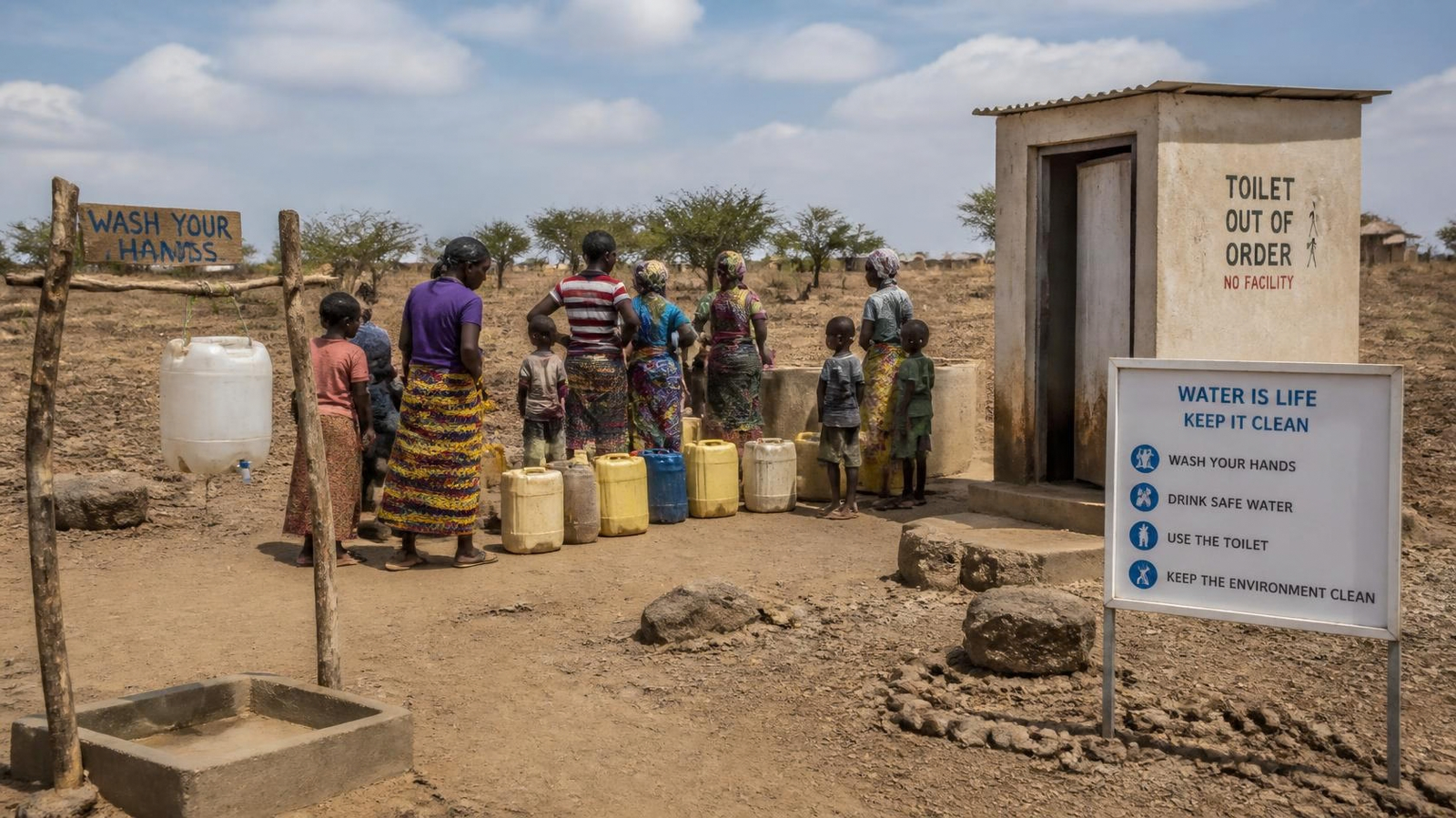
Just like any other program, WASH is faced by challenges that hinder its effecieny in communities. An informative approach to depict the common challenges can ensure effective response.

WASH stands for Water, Sanitation, and Hygiene with the three elements working together to protect health, improve quality of life, and support sustainable development. PACE aims at ensuring communities benefit from the WASH program.

Water, Sanitation and Hygiene (WASH) entails simple day-to-day activities that together help save millions of lives. We dive into the hidden world of WASH to help promote awareness and in the process save lives.
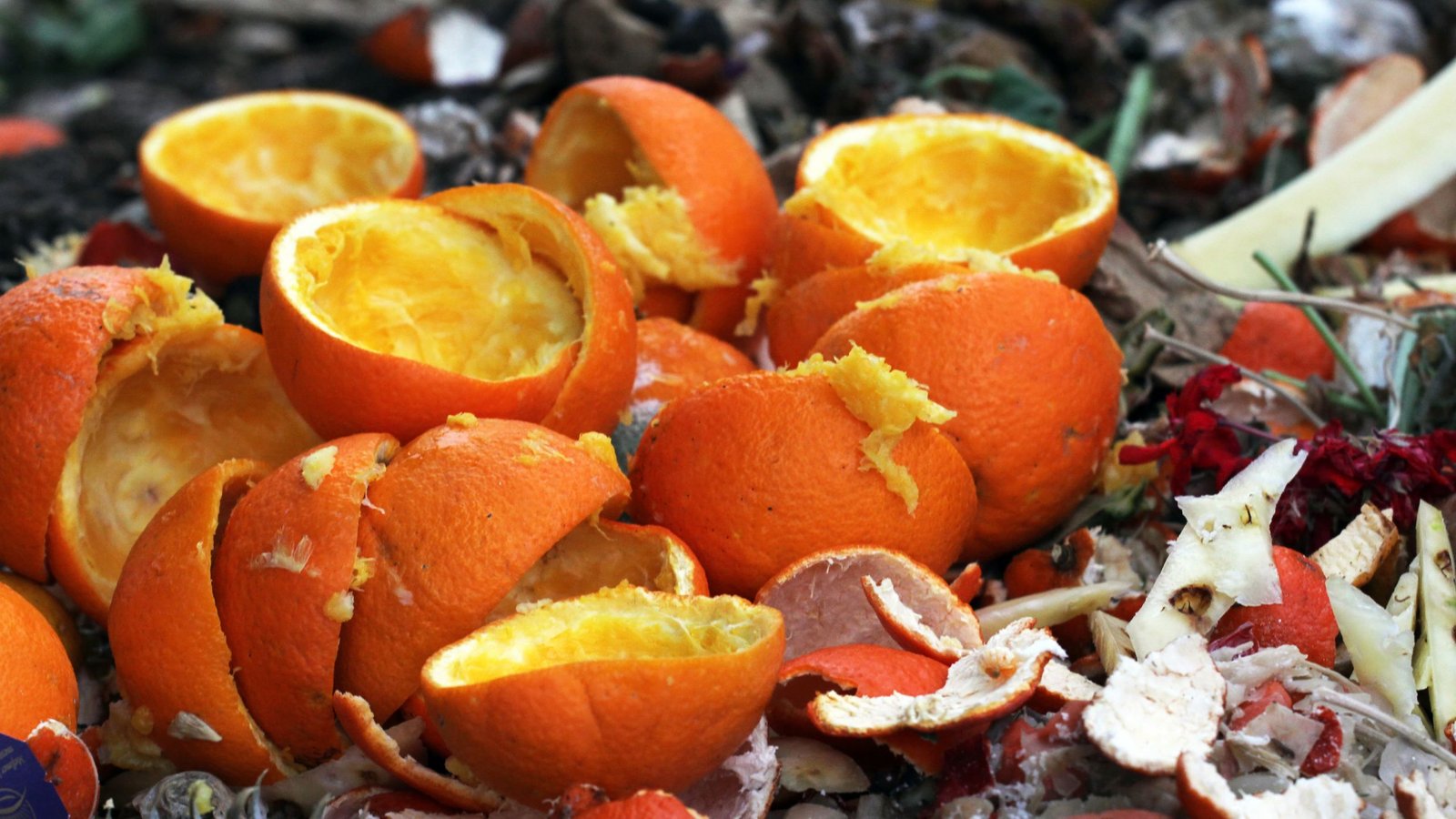
Composting is helping urban farmers in Kiambu improve soil fertility, reduce organic waste, and promote sustainable agriculture. Learn how communities are using organic compost to support healthier crops, lower farming costs, and protect the environment through eco-friendly farming practices.
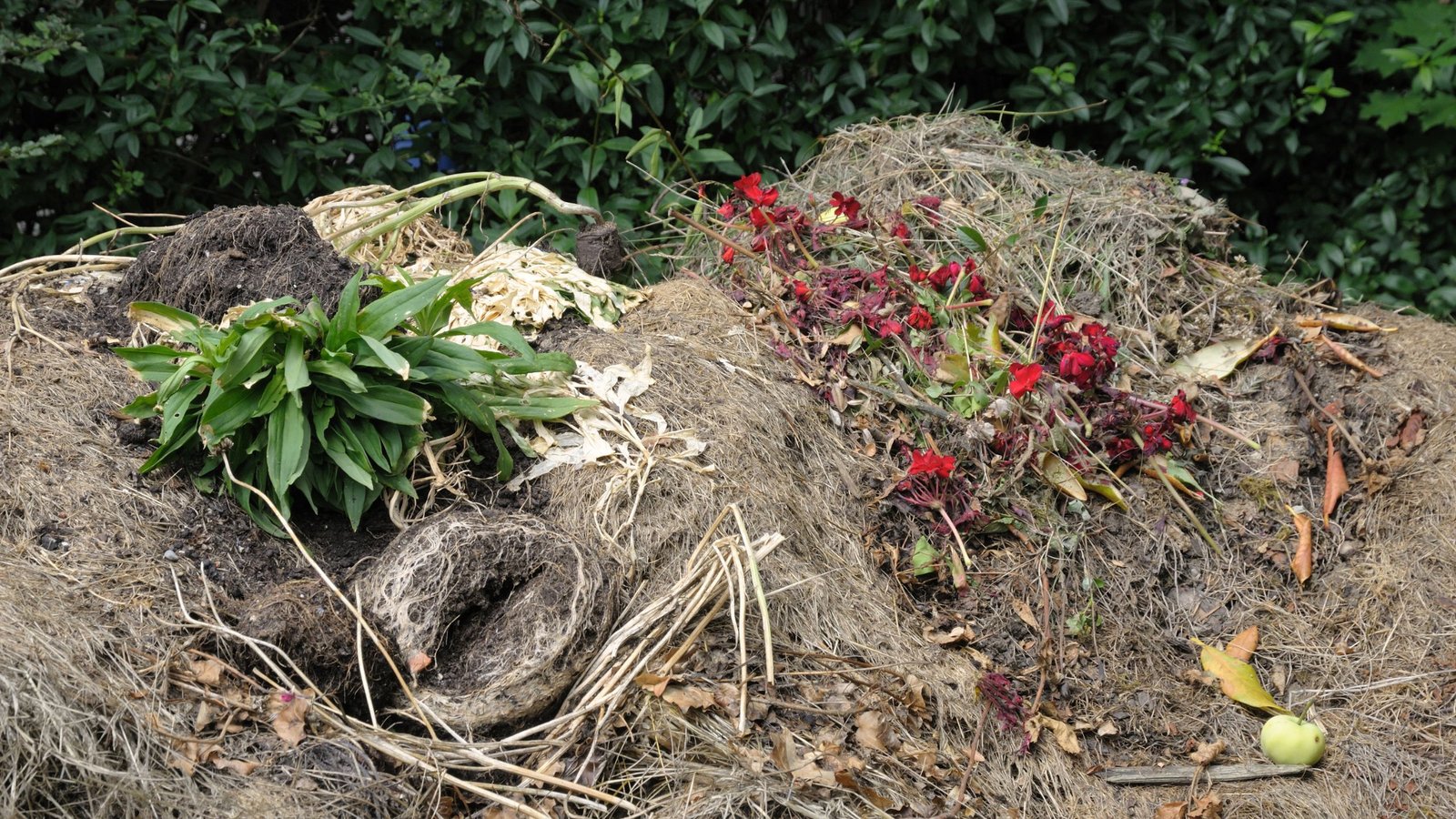
Learn how communities in Kiambu are using composting to promote sustainable urban farming. This guide by Progressive Action for Community Empowerment explains the benefits of composting, how to create a compost heap, and how organic manure improves soil fertility and food production.

PACE has begun engaging youth football teams as part of its mission to promote youth empowerment, community collaboration, and urban farming initiatives. The first induction session with Cravers FC introduced players to leadership, networking, and opportunities to participate in community development projects.
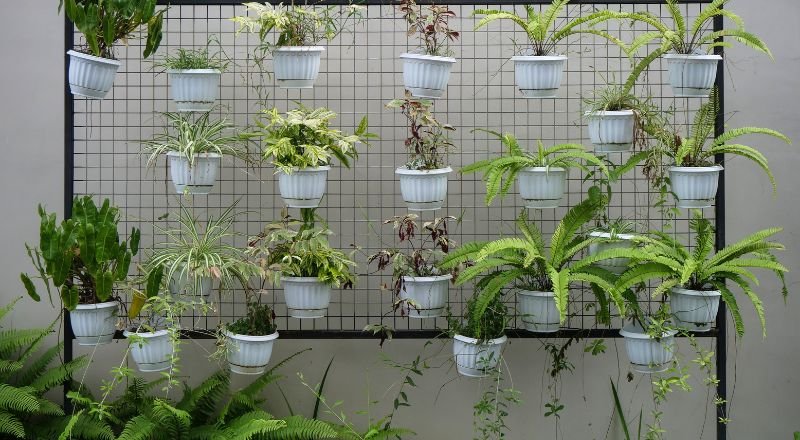
At PACE we aim to create structures where plants grow upwards on a wall or frame instead of spreading on the ground. Plants are grown in Recycled containers, pockets, or panels attached to a wall.
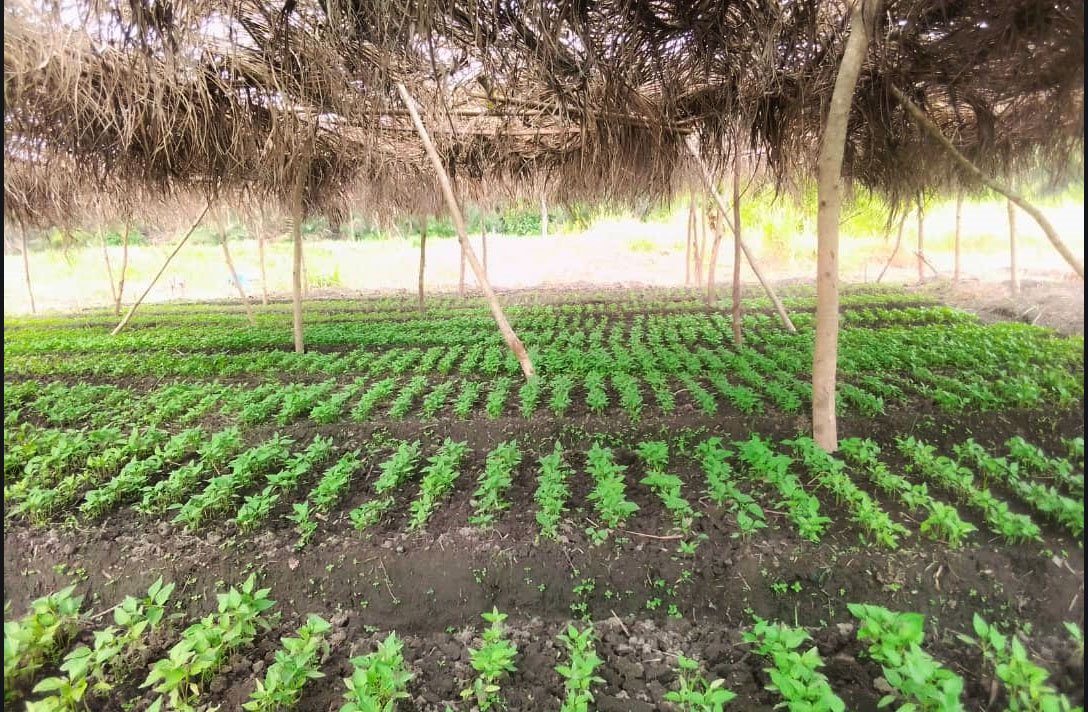
The role of youth and PACE in promoting food security is important because young people bring energy, innovation, and long-term commitment to agriculture and community development.
Why the future of food is local