- info@pacekenya.org
- +254 708 003 481


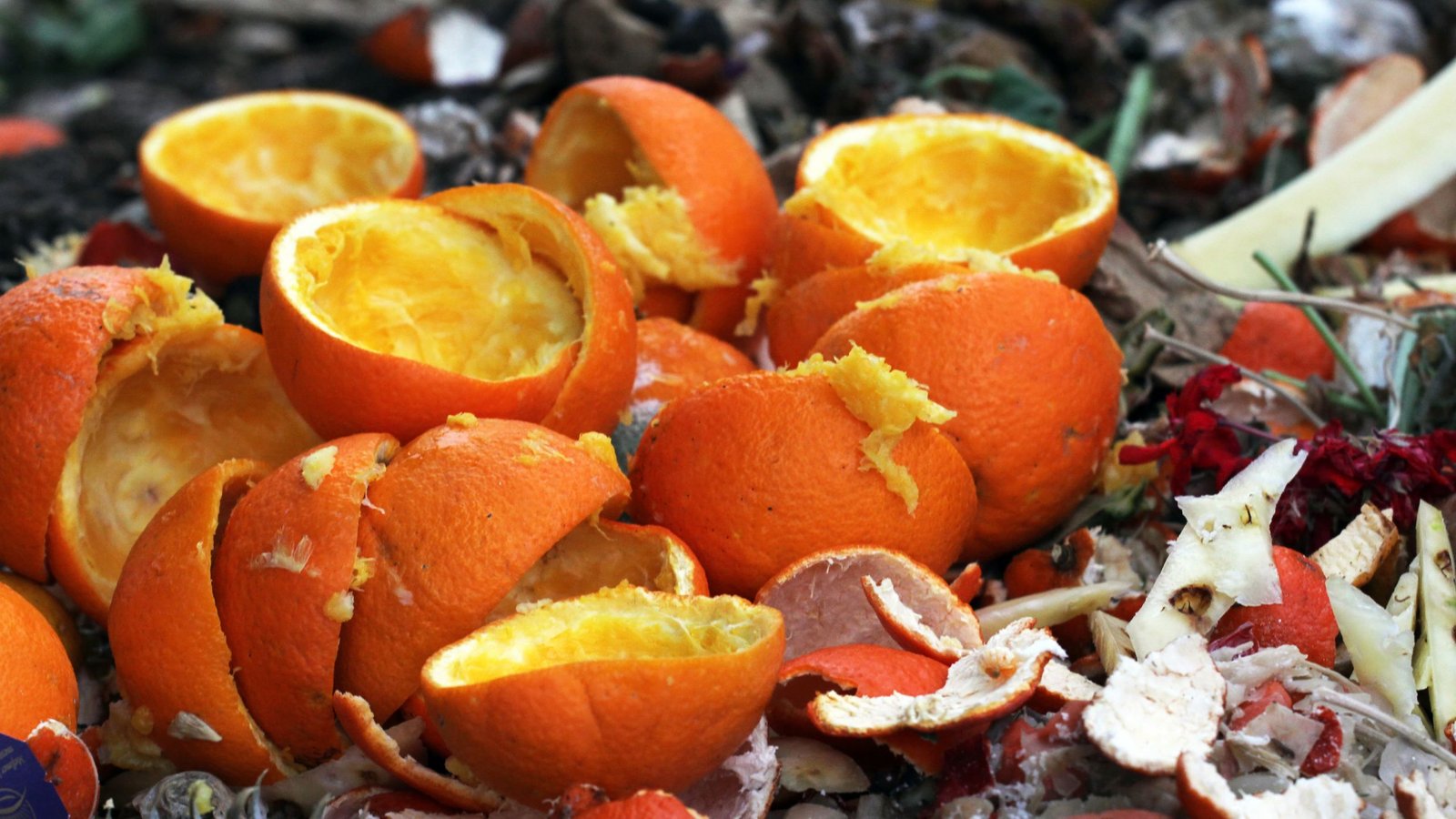
Urban farming is rapidly growing in Kiambu as more communities embrace sustainable agriculture and environmentally friendly farming practices. One of the most impactful methods urban farmers can adopt is composting — a simple process that converts organic waste into nutrient-rich manure for healthier crops and improved soil fertility.
Through its environmental and community empowerment initiatives, Progressive Action for Community Empowerment (PACE) continues to encourage residents and farmers to integrate composting into their urban farming activities as a way of promoting sustainability, reducing waste, and improving food security.
Composting is the natural breakdown of organic materials such as food leftovers, dry leaves, grass cuttings, and farm waste into organic fertilizer known as compost. This process is carried out by microorganisms and other natural decomposers that transform waste into valuable nutrients for the soil.
For urban farmers in Kiambu, composting provides an affordable and sustainable solution for improving agricultural productivity.
Healthy soil is the foundation of successful farming. Compost is rich in nutrients and beneficial microorganisms that improve soil fertility and structure.
Adding compost to gardens and farms helps:
Improve water retention
Increase soil aeration
Strengthen root development
Support healthier plant growth
This is especially important for urban farming where soil quality may be poor or limited.
Urban households and markets generate large amounts of organic waste every day. Composting provides a practical way to recycle kitchen scraps and garden waste instead of disposing them in dumpsites.
Materials that can be composted include:
Fruit and vegetable peels
Grass clippings
Dry leaves
Coffee grounds
Crop residues
By composting, communities in Kiambu can reduce environmental pollution while creating valuable organic manure.
Chemical fertilizers can be expensive for many small-scale farmers and households. Composting allows urban farmers to produce their own organic fertilizer using readily available materials.
This helps reduce farming costs while improving crop production naturally and sustainably.
A compost heap creates a healthy environment for beneficial organisms such as:
Earthworms
Beneficial bacteria
Fungi
Insects that support decomposition
These organisms contribute to healthier soil ecosystems and improved plant productivity.
Organic waste dumped in landfills produces methane gas, which contributes to climate change. Composting helps reduce greenhouse gas emissions by recycling organic matter into useful compost instead of allowing it to decompose in dumpsites.
Through composting, urban farmers actively contribute to environmental conservation and climate action.
Progressive Action for Community Empowerment (PACE) continues to support sustainable urban farming initiatives in Kiambu by creating awareness on composting, environmental conservation, and climate-smart agriculture.
By training community members on practical farming techniques, PACE is helping build healthier, greener, and more self-sustaining communities.
Composting is more than just waste management — it is a powerful tool for sustainable urban farming. From improving soil health and reducing waste to lowering farming costs and protecting the environment, composting offers numerous benefits for urban farmers in Kiambu and beyond.
As communities continue embracing sustainable farming practices, composting can play a major role in improving food security, environmental conservation, and community empowerment.
Urban farmers have the opportunity to lead by example and inspire others to adopt environmentally friendly farming solutions for a more sustainable future.



Share This News