- info@pacekenya.org
- +254 708 003 481


Introduction
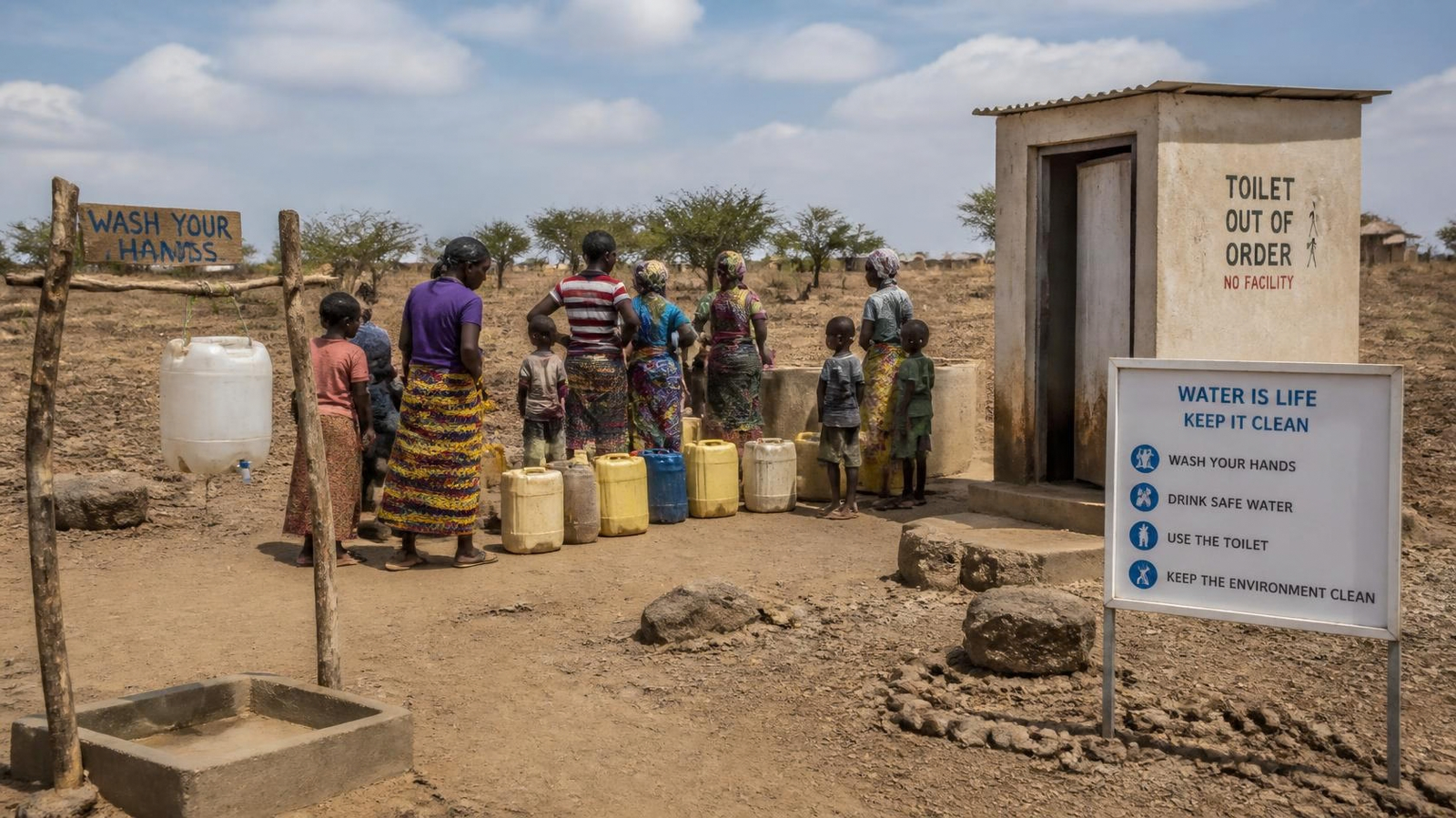
Turning on a tap for clean water, using a safe toilet, and washing hands with soap are things many of us never think twice about. For billions of people they are daily struggles. WASH (Water, Sanitation, and Hygiene) is one of the most powerful foundations for health, education, and economic opportunity, yet Interactive JMP dataset and country file and UNICEF estimates show that more than 2 billion people still lack safely managed drinking water, and far more lack safely managed sanitation. PACE Kenya being a champion of WASH recognizes the setback that these communities face and therefore it is neccesary to highlight the challenges and why identifying them matters.
In many Kenyan communities, the nearest water source is far away, unreliable, or contaminated. Families rely on rivers, shallow wells, or unprotected springs that may carry bacteria, parasites, or chemical pollutants. Even where a water point exists, it may run dry during the dry season or serve far more people than it was built for.
Why it matters: Contaminated water is a leading cause of Diarrhoea, typhoid, and cholera, especially among children under five.
Many households have no toilet at all, and others use facilities that are unsafe, overflowing, or shared by too many people. Open defecation still occurs in many rural and informal urban settlements, which contaminates soil and water sources.
Why it matters: Poor sanitation spreads disease quickly, and a lack of private, safe toilets affects dignity and safety, particularly for women and girls.
Handwashing with soap is one of the cheapest and most effective ways to prevent illness, yet many homes, schools, and health facilities lack a handwashing station, soap, or a steady water supply to support the habit. In some cases knowledge is the gap. In others the habit is missing even when people know better.
Why it matters: Handwashing at key moments, such as after using the toilet and before eating or preparing food, sharply reduces the spread of diarrhoea and respiratory infections.
Schools without clean water or usable toilets see higher absenteeism, and girls are especially likely to miss class or drop out when there are no private, well-maintained facilities for managing menstruation. Health facilities that lack basic WASH services put patients and staff at risk of infection.
Why it matters: Quality education and safe healthcare both depend on WASH being in place.
Stigma, limited access to sanitary products, and a lack of private washing spaces make it hard for women and girls to manage their periods safely and with dignity. Silence around the topic often keeps the problem hidden.
Why it matters: Poor menstrual hygiene can affect health, school attendance, and confidence.
Droughts dry up water sources, floods contaminate wells and overwhelm latrines, and unpredictable rainfall makes planning harder. Communities that already have limited services are usually the hardest hit.
Why it matters: Climate-resilient WASH infrastructure is quickly becoming essential rather than optional.
Many WASH projects fail not at construction but afterwards. Hand pumps break and no one can repair them, spare parts are unavailable, and there is no fund or committee to manage upkeep. A borehole that works for two years and then falls silent helps no one in the long term.
Why it matters: Sustainability, through community ownership, local technical skills, and sound financing, decides whether the benefits last.
Investment in WASH often falls short of what is needed, especially in rural and low-income areas. Infrastructure is expensive to build, and running costs are easy to overlook.
Why it matters: Closing the gap takes coordinated effort from governments, NGOs, the private sector, and communities themselves.
Infrastructure alone does not change habits. Deep-rooted beliefs, cultural practices, and lack of awareness can stop communities from using toilets consistently or treating drinking water. Lasting change comes from trusted local voices, participation, and patience.
The challenges are big, but solutions exist and are within reach:
Conclusion
WASH is more than pipes and latrines. It is about health, dignity, education, and opportunity. Every handwashing station installed, every safe water point maintained, and every community mobilised is a step toward a healthier future. Progress starts with understanding the challenges, and with the shared belief that safe water, decent sanitation, and good hygiene are a right, not a privilege.
What is your community doing to improve WASH? Share your thoughts or experiences in the comments.

Share This News