- info@pacekenya.org
- +254 708 003 481


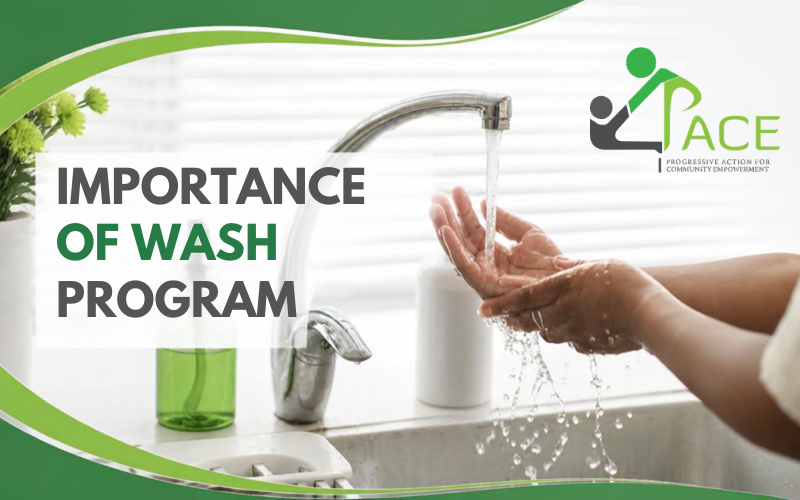
Successful WASH practices prevent the spread of diseases such as cholera, typhoid, dysentery, diarrhea, hepatitis A, and intestinal worm infections. Regular handwashing with soap, safe drinking water, and proper sanitation significantly reduce illness and save lives.
Poor water, sanitation, and hygiene contribute to millions of preventable illnesses each year, especially among children under five. Improving WASH services reduces child mortality and strengthens community health.
Clean water and proper hygiene are essential when growing, preparing, cooking, and storing food. Good WASH practices reduce food contamination, improve nutrition, and help prevent foodborne diseases.
Schools with clean water, toilets, and handwashing facilities create healthy learning environments. Students are less likely to miss school due to illness, and girls are more likely to attend regularly when adequate sanitation and menstrual hygiene facilities are available.
Healthy communities are more productive. When fewer people fall ill, families spend less on medical expenses and more time working, learning, and contributing to economic growth.
Proper sanitation and responsible waste management prevent pollution of rivers, lakes, and groundwater. Protecting water sources preserves ecosystems and ensures clean water for future generations.
Access to private sanitation facilities promotes dignity, privacy, and security, particularly for women, girls, older adults, and people living with disabilities. Inclusive WASH services help reduce inequalities.
Reliable WASH services are critical during disease outbreaks, natural disasters, and humanitarian crises. Safe water and hygiene practices help control the spread of infections and support faster recovery.
WASH contributes directly to Sustainable Development Goals (SDG) 6: Clean Water and Sanitation, while also supporting progress in health (SDG 3), education (SDG 4), gender equality (SDG 5), poverty reduction (SDG 1), and economic growth (SDG 8).
Water, Sanitation, and Hygiene (WASH) are the foundation of healthy, productive, and resilient communities. Investing in WASH improves public health, protects the environment, enhances education, strengthens economies, and ensures that everyone can live with dignity. Individuals, households, schools, and communities have roles to play in promoting good WASH practices and creating a healthier future for all.


Share This News