- info@pacekenya.org
- +254 708 003 481


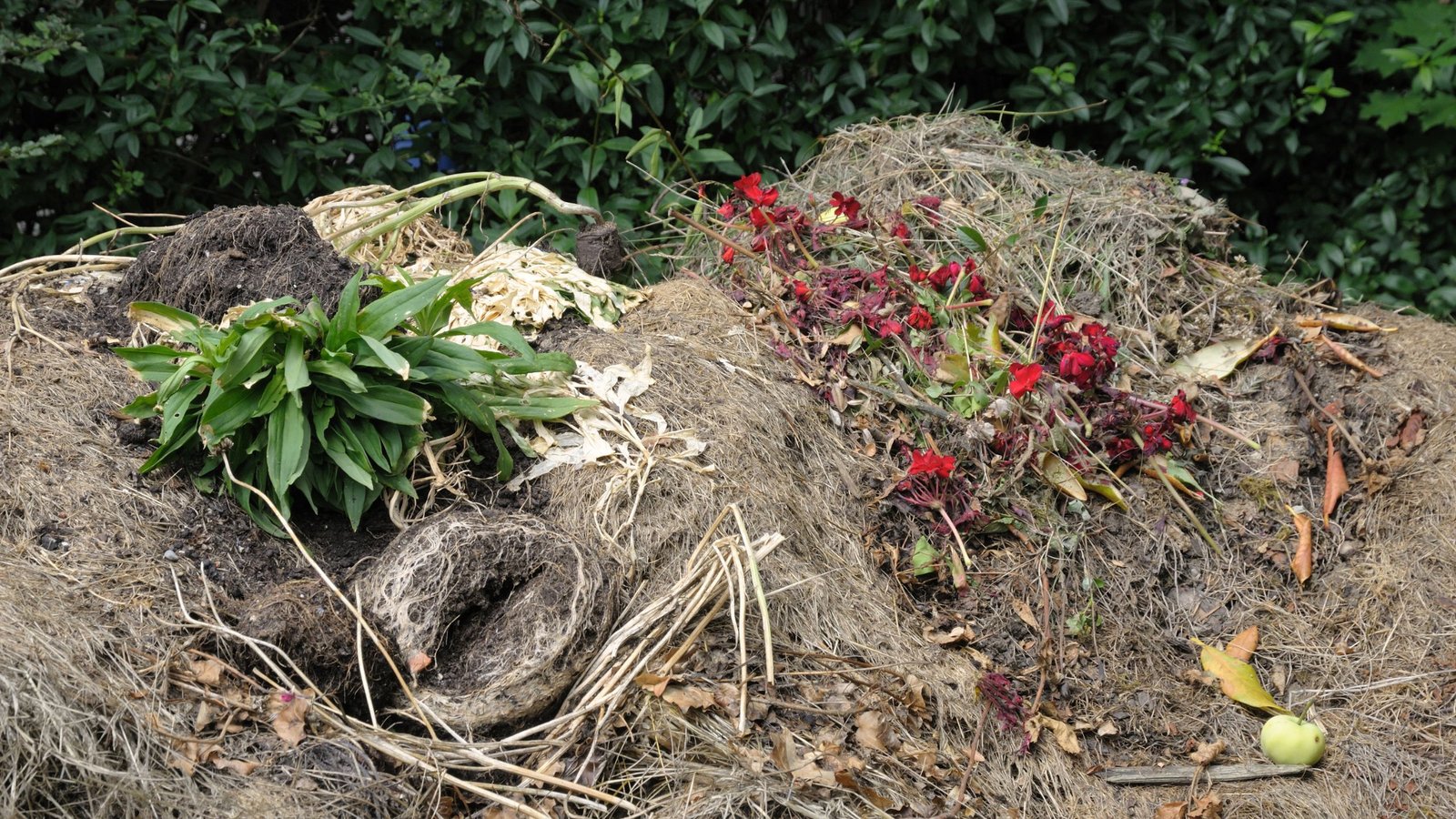
Sustainable farming practices are becoming increasingly important in communities across Kiambu as residents seek environmentally friendly ways to improve food production and reduce waste. One of the most effective and affordable methods is composting — a natural process that transforms organic waste into nutrient-rich manure for farming.
As part of its commitment to environmental conservation and community empowerment, Progressive Action for Community Empowerment (PACE) is encouraging communities in Kiambu and surrounding areas to embrace composting as a key practice in urban farming and sustainable agriculture.
Composting is the process of recycling organic materials such as food scraps, dry leaves, grass clippings, and farm waste into organic manure. Through natural decomposition by microorganisms and other decomposers, these materials break down into compost — a rich soil amendment that improves plant growth and soil fertility.
For farmers and households in Thika, composting offers a practical way to manage waste while improving agricultural productivity.
A significant amount of household and farm waste is organic and can be composted instead of being dumped in landfills. Composting helps keep the environment clean while reducing pollution.
Compost enriches the soil with essential nutrients, improves water retention, and enhances soil structure. This is especially important for urban farming and kitchen gardens.
Using compost reduces dependence on chemical fertilizers and promotes environmentally friendly farming practices.
Homemade compost provides a low-cost alternative to commercial fertilizers, making farming more affordable for families and community groups.
Creating a compost heap is simple and can be done in homes, schools, and community gardens.
Choose a shaded, well-drained area near a water source. The location should be easy to access for adding materials and turning the compost.
A healthy compost heap requires a balance of green and brown materials.
These help speed up decomposition:
Vegetable and fruit peels
Fresh grass clippings
Coffee grounds
Green leaves
Food scraps
These improve airflow and structure:
Dry leaves
Cardboard
Straw
Sawdust
Dry grass
Wood chips
Start with a layer of brown materials, followed by a layer of green materials. Continue alternating the layers while maintaining a balanced mix.
To improve decomposition:
Cut large materials into smaller pieces
Sprinkle water occasionally
Avoid compacting the pile
Turn the compost every two to three weeks to allow air circulation and speed up decomposition. The compost should remain moist but not overly wet.
After approximately three to six months, the compost will become dark, crumbly, and earthy-smelling. At this stage, it is ready for use in gardens and farms.
To maintain a healthy compost heap, avoid adding:
Meat and bones
Dairy products
Oily foods
Plastic materials
Diseased plants
These can attract pests and slow down the composting process.
Progressive Action for Community Empowerment (PACE) continues to empower communities through environmental education, sustainable agriculture training, and practical urban farming initiatives in Kiambu.
Through composting and other climate-smart farming practices, communities can improve food security, reduce waste, and create healthier living environments for future generations.
Composting is a simple but powerful step toward sustainable urban farming. By turning organic waste into valuable manure, individuals and communities can improve soil health, increase crop productivity, and protect the environment.
As more residents in Kiambu adopt composting practices, the community moves closer to a greener, healthier, and more sustainable future.



Share This News