- info@pacekenya.org
- +254 708 003 481


Introduction
Everyday when we wake up we start our day with what we call ‘normal’ practices such as taking a shower, brushing our teeth, using the washroom; but have you ever thought of what would happen if you woke up one day and this was not possible due to lack of clean water? Well, this is a reality billions of people around the world who cannot access clean water for their daily uses. No clean water to drink, no access to safe sanitation practices, and no safe hygiene practices. This is where WASH Program comes in. It is an acronym that means Water, Sanitation and Hygiene. WASH is a global approach that focuses on improving Water, Sanitation, and Hygiene to protect human health, prevent diseases, and promote better living conditions.
WASH stands for:
Water is an essential component of life since it forms about 80% of or daily life activities. It covers about 71% of the earth’s surface; of this percentage, only 1% is safe water fit for human consumption and use. The rest is salty water that requires purification through modern desalination processes to at least make it fit for human consumption. This is an expensive and quite tedious process that requires sophisticated approaches to purify. This is where WASH comes in to ensure that communities have access to clean drinking water, for cooking, washing and other daily activities.
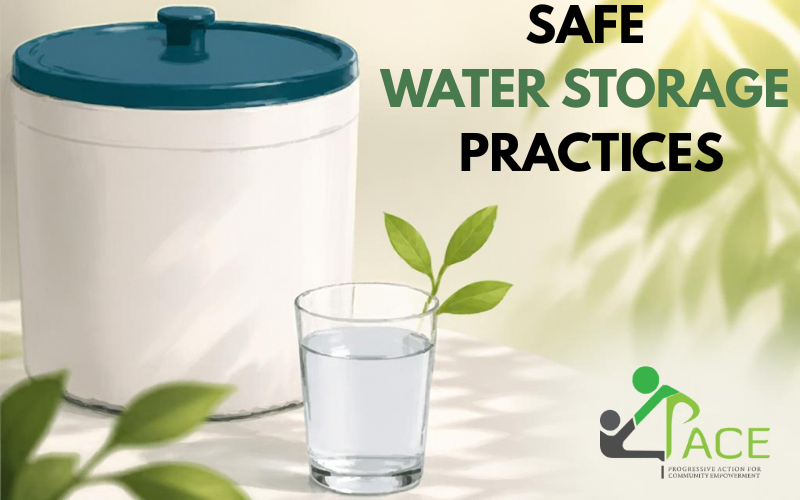
Communities can access safe water by:
Practicing the above ensures that water is free from contamination therefore reducing the risk spreading diseases that are caused by us of contaminated water. These include diarrhea, cholera, and typhoid which are life-threatening that can cause deaths if not treated.
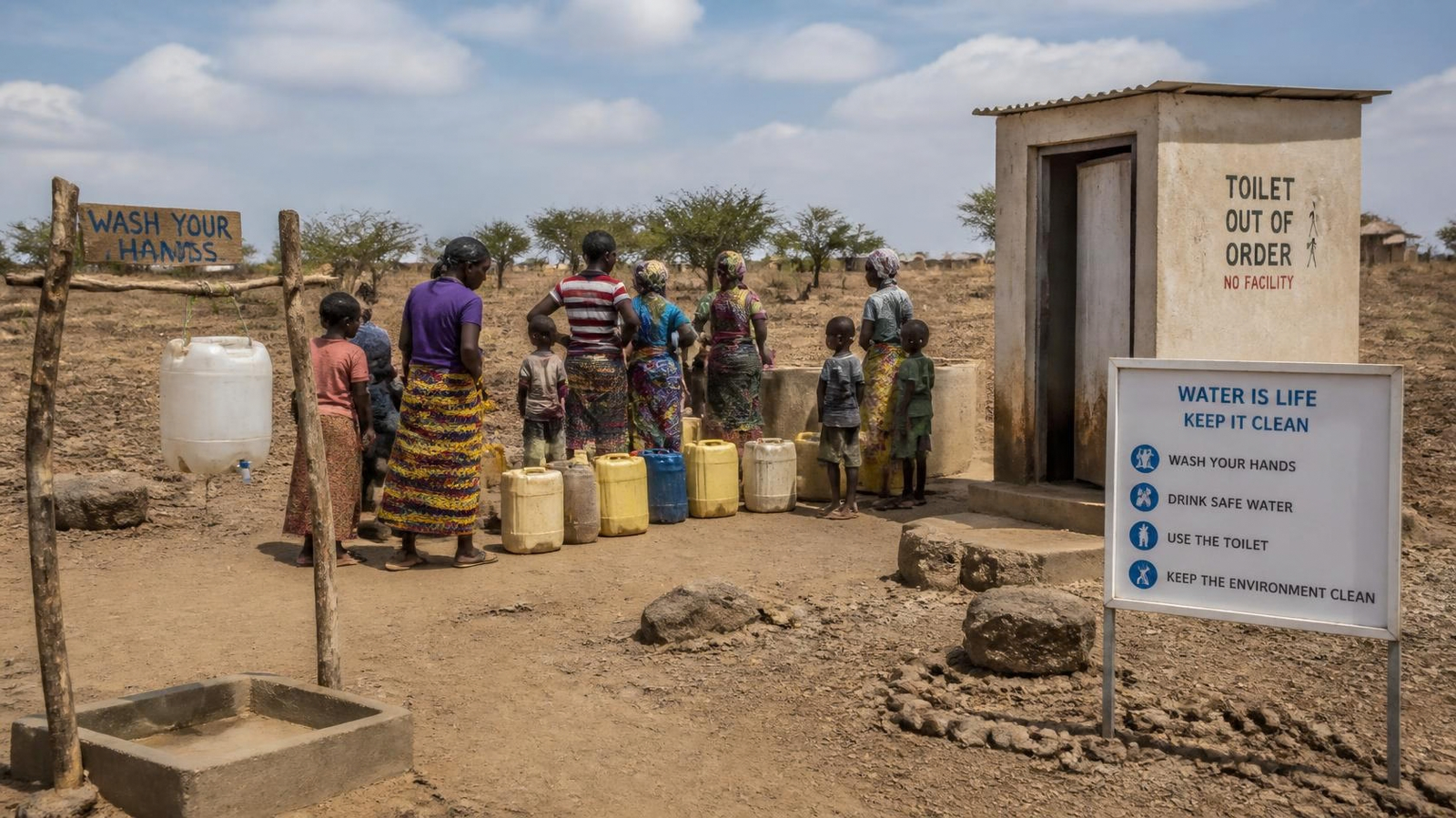
Sanitation refers to the safe management, collection, treatment, and
disposal of human waste, garbage, and wastewater to protect public health and
keep environments clean. According to the World Health Organization (WHO), more
than a billion people globally do not practice safe sanitation where a majority
are defecting in the open spaces. This contaminates the environment and posses
a health risk to a community. Additionally, others defecate and shower in water bodies
therefore contaminating the water that people consume. This poses a great
health risk and enables the spread of diseases. Poor sanitation reduces human
well-being, social and economic development due to impacts such as anxiety,
risk of sexual assault, and lost opportunities for education and work.
Effective sanitation includes:
Hygiene refers to practices that help maintain and enhance health of
people while reducing the spread of diseases with a community. The effect being
felt from as low as a household to the global perspective. During the Covid-19
pandemic, a staggering decrease of about 69.3% of hygiene related diseases was
noted.
This was attributed to the large spread campaign on a continued washing of
hands. Now imagine had the campaign continued and people adhered to it, today,
the world might have been experiencing almost zero infection due to lack of
hygienic practices. A simple act of regularly washing hands created a notable
impact on spread on infection. WASH herein opts to promote this
campaign by educating the public on safe hygienic practices. Moreover, the program aims to reduce these diseases to microscopic levels that are easily handled therefore
creating healthy communities.
Safe hygiene practices include:
CONCLUSION
WASH plays a vital role in creating healthier communities by ensuring access to clean water, safe sanitation, and proper hygiene practices. These three elements work together to prevent diseases, improve quality of life, and protect the environment. Simple actions such as washing hands, using clean toilets, treating water, and maintaining hygiene can make a significant difference in reducing health risks. However, achieving universal access to WASH requires collective effort from individuals, communities, organizations, and governments. By promoting awareness and sustainable practices, we can build a future where everyone has access to safe water, sanitation, and a healthier life.

Share This News